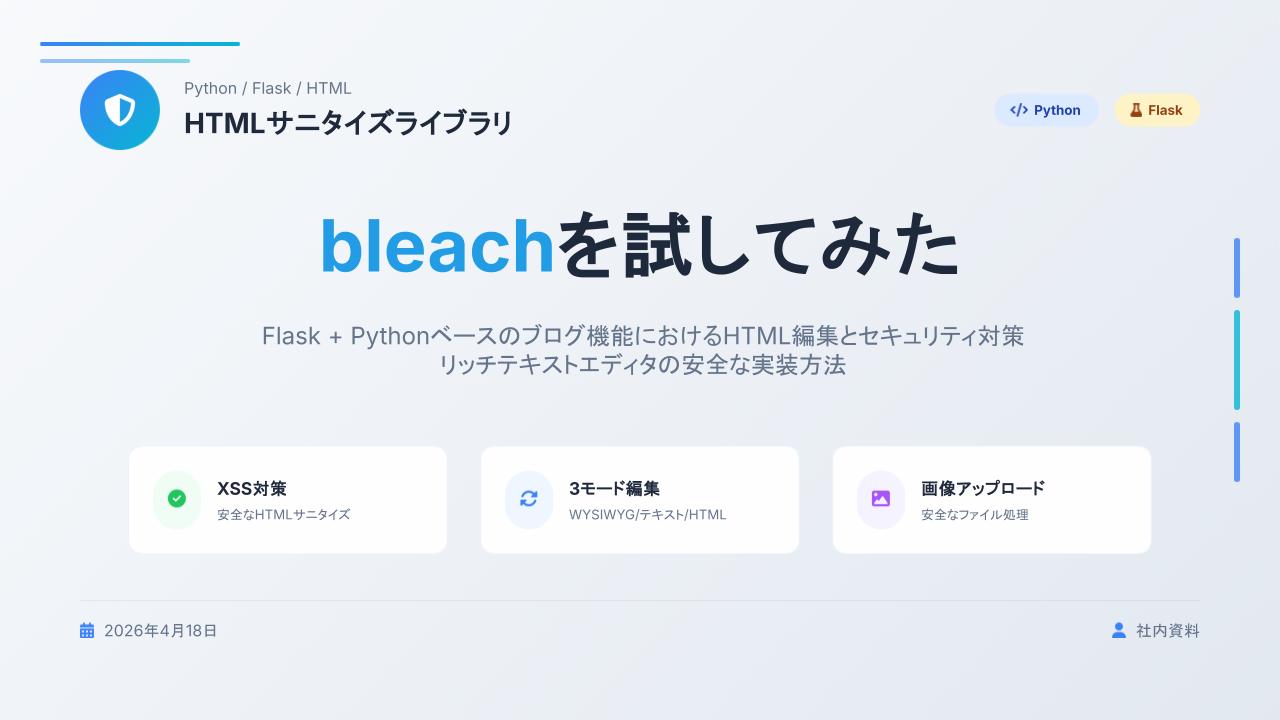
Explore a flexible CMS built with GCP and Python Flask, with attention to easier publishing, operational efficiency and search optimization.
CMS development with Google Cloud and Python
As digital communication becomes more important to business competitiveness, ease of publishing and search discoverability matter for blogs and owned media.
Teams often struggle with difficult CMS interfaces, HTML-dependent editing and publishing knowledge held by one person. This article discusses CMS development with Google Cloud and Python.
Where existing CMS workflows can obstruct progress
Limits to flexibility and publishing
Fixed input forms can constrain layouts and presentation, making it harder to create engaging content.
Operational effort from duplicate content management
Maintaining separate text and HTML versions can cause mismatches, broken layouts and additional operational work.
Interfaces that non-engineers cannot use
Systems need to work for operational teams. If a CMS requires specialist knowledge, publishing may remain dependent on engineers.
CMS development with Google Cloud, Python and Flask
Flexible customization
Python and Flask allow a CMS to be designed around a company's workflows, implementing the features it needs within a focused interface.
Intuitive rich-text editing
WYSIWYG editing lets people create articles without specialist knowledge. Text and HTML editing can provide additional flexibility.
HTML editing and cross-site scripting protection
Rich editing features require attention to security, particularly cross-site scripting.
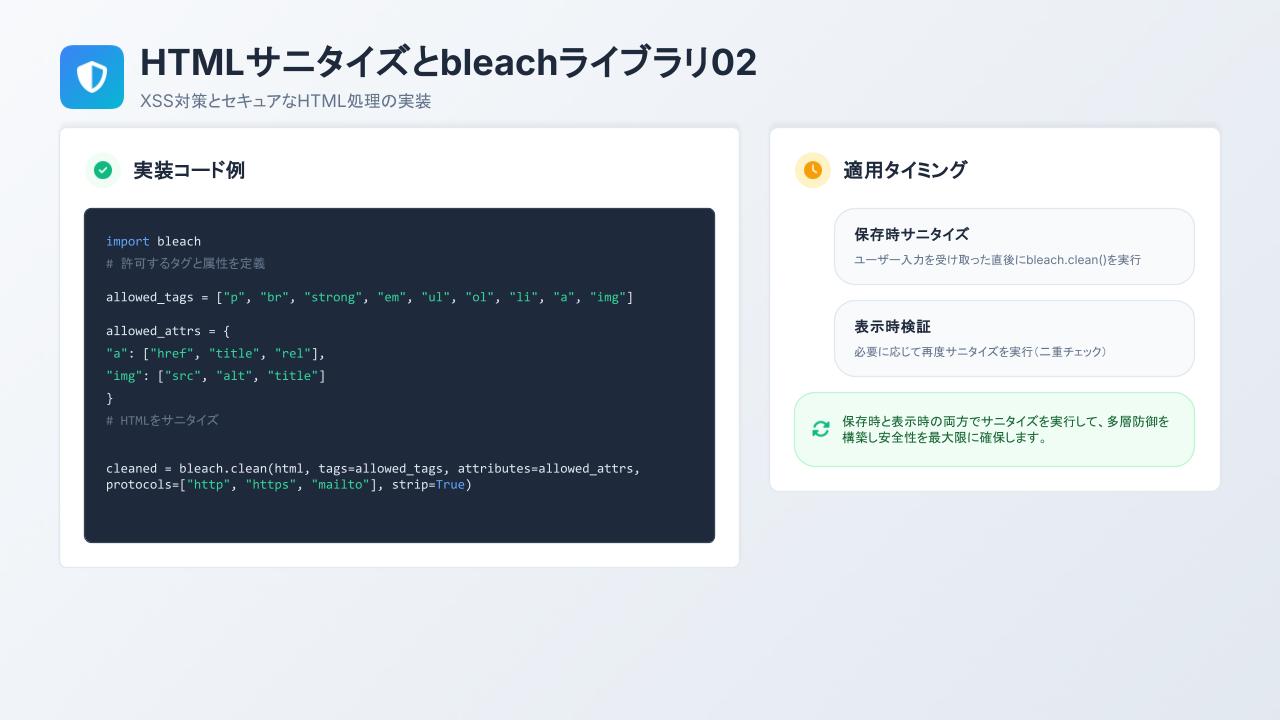
We use Python's bleach HTML sanitizer to allow selected tags and attributes, balancing editing flexibility with input controls.
Sanitization at storage and display stages provides multiple layers of protection.
Reduce operational complexity through data design
Manage article content in body_html
Keeping article content in one field avoids duplicate management and helps reduce data inconsistencies and bugs.
Controlled image uploads
Image upload APIs use extension checks, size limits and storage controls to support security and usability.
Designing a CMS for discoverability
Publishing alone is not enough: a CMS should also support bringing readers to the content.
Relevant design considerations include:
- Title and description management
- Open Graph metadata for social sharing
- Page speed optimization
- Structured data
- Clear URL design
Incorporating these in the initial design supports search discoverability.
A CMS that operational teams can keep using
A sustainable publishing workflow is central to successful digital operations.
Features have little value if people cannot use them. Usability, flexibility and security need to work together.
Considering CMS development or digital transformation?
We build CMS platforms with Google Cloud and Python, tailored to business workflows.
- Improve a difficult existing CMS
- Strengthen blog publishing and search discovery
- Find a practical starting point for digital transformation
If these challenges sound familiar, talk to us. We support requirements, design, development and operations.