
FOR F JOURNAL / IDEAS INTO DECISIONS
Read for the next decision.
Explore the prerequisites, evaluation methods and operating questions behind AI, data and software projects.
Explore the decision ↓Explore the practical questions.
Industry perspectives and implementation guides. Start with the question that matters to you.

Snowflake / Operational monitoring
Snowflake task monitoring and data freshness: a checklist before commissioning operational design
A successful Snowflake task does not prove that all required data has arrived. Learn how to define freshness deadlines, missing-data checks, incident response and acceptance tests before commissioning improvements to data platform operations.

Snowflake / Data sharing
Before sharing Snowflake data with partners: scope, updates and termination conditions
Partner data sharing requires more than connectivity. Define what is shared, who maintains it and when access ends. Prepare scope and acceptance tests for a Snowflake-based implementation.

BigQuery / BI access
Designing BigQuery and BI access: a procurement checklist for departmental reporting
A shared sales dashboard may need different visibility for each department. Review BigQuery row-level controls, the BI connection identity and exported files before commissioning a rollout.

BigQuery / Performance
Slow BigQuery reports: preparing a partition and SQL improvement project
Separate data retrieval, SQL execution and display delays. Review partition usage, business dates and comparable measurements to define acceptance criteria for an optimization project.

AI adoption / Data preparation
What should be hidden before data reaches AI? Planning detection and de-identification
Before using inquiry histories or internal documents with AI, remove unnecessary information while preserving useful meaning. Evaluate missed detections, excessive transformation and storage of originals.

Data analysis / Lead measurement
Do not count booking clicks as meetings: measuring B2B inquiries with GA4 and BigQuery
Evaluate whether articles and landing pages lead to inquiries. Separate impressions, clicks, successful submissions, confirmed bookings and held meetings, and make measurement gaps explicit.

AI agents / Approvals
Designing approvals for AI agents: separate proposals, authorization and business updates
Before allowing AI to act, define who approves what. Plan waiting, rejection and changed requests, and agree on acceptance criteria before commissioning development.

Workflow automation / API integration
Preventing duplicate business processing in API integrations
A retry can create a duplicate order or invoice. Specify business processing state as well as network behavior, including identifiers, retries and exception handling.

System maintenance / Recovery validation
From backups to recovery: what to verify in a restoration test
A successful backup job does not prove that operations can resume. Review restoration procedures, permissions, data checks and decision ownership before scoping support.

Enterprise AI / Access control
Permission testing for enterprise document AI
Enterprise AI needs access checks alongside answer-quality checks. Review how document permissions affect retrieval and responses, including tests after permission changes.

AI operations / Model evaluation
What to monitor in AI: data shifts, prediction quality and operational response
Detecting changes in input data does not by itself establish business impact. Define baselines, quality checks and actions after alerts when scoping AI operations.

Data platforms / Migration validation
BigQuery migration acceptance: checks beyond matching row counts
Moving data does not by itself justify switching operations. Define reconciliation, business acceptance and rollback criteria as explicit project deliverables.

Snowflake / Change management
Using Snowflake data lineage for change-impact reviews
Trace where a column change may propagate. Use Snowflake lineage as an input to scoping, owner review and post-change validation.
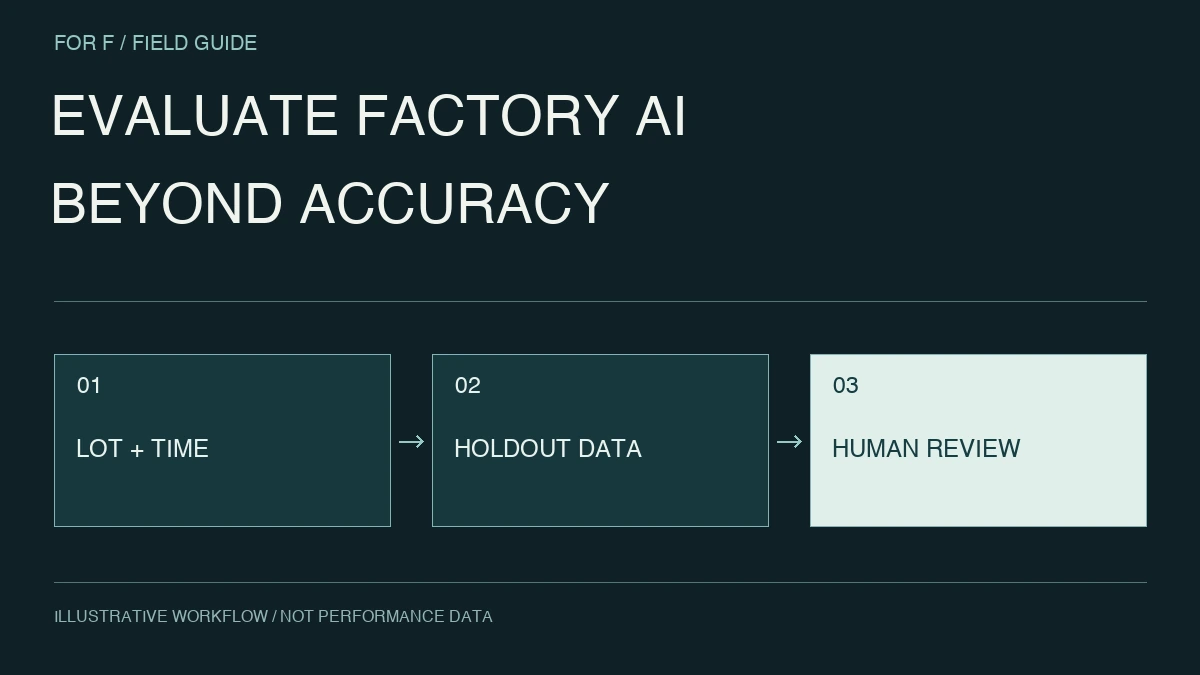
MANUFACTURING / GUIDE
Evaluating manufacturing AI: lots, time and false alarms before accuracy
Before commissioning factory AI, define how evaluation data is separated and how operators will review results. This guide explains common pitfalls and a practical evaluation brief.
Read the guide ↗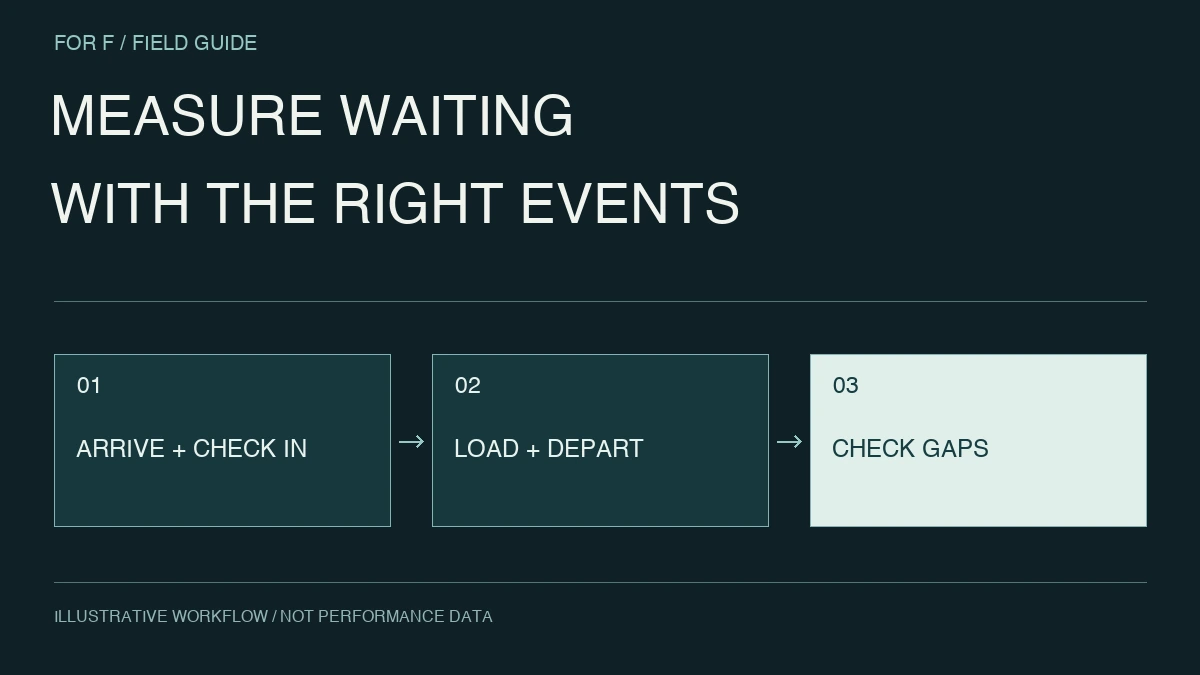
LOGISTICS / GUIDE
Where to start with waiting-time analytics: from gate events to operating changes
Before using a single arrival-to-departure duration, agree on reception, waiting and handling events. Build evidence that shippers and operating teams can use together.
Read the guide ↗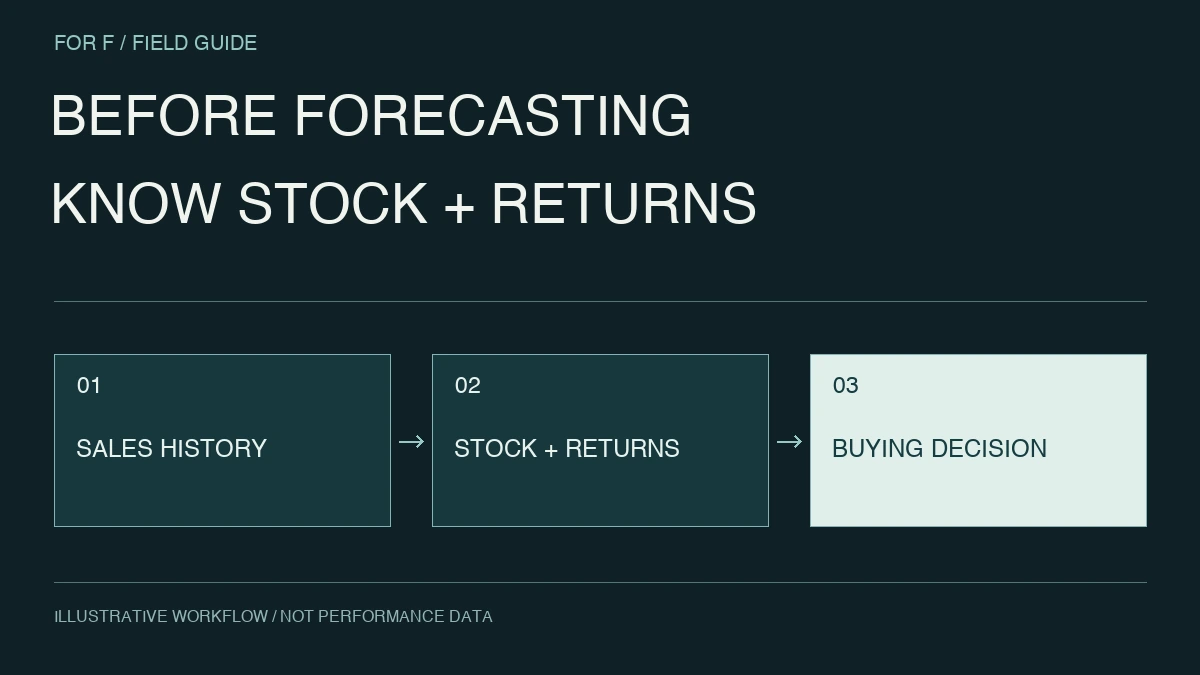
RETAIL & COMMERCE / GUIDE
Before retail demand forecasting: stockouts, returns and promotions
Sales history alone does not make a forecast useful for buying. Distinguish why sales were absent, what was known at prediction time and the constraints of ordering.
Read the guide ↗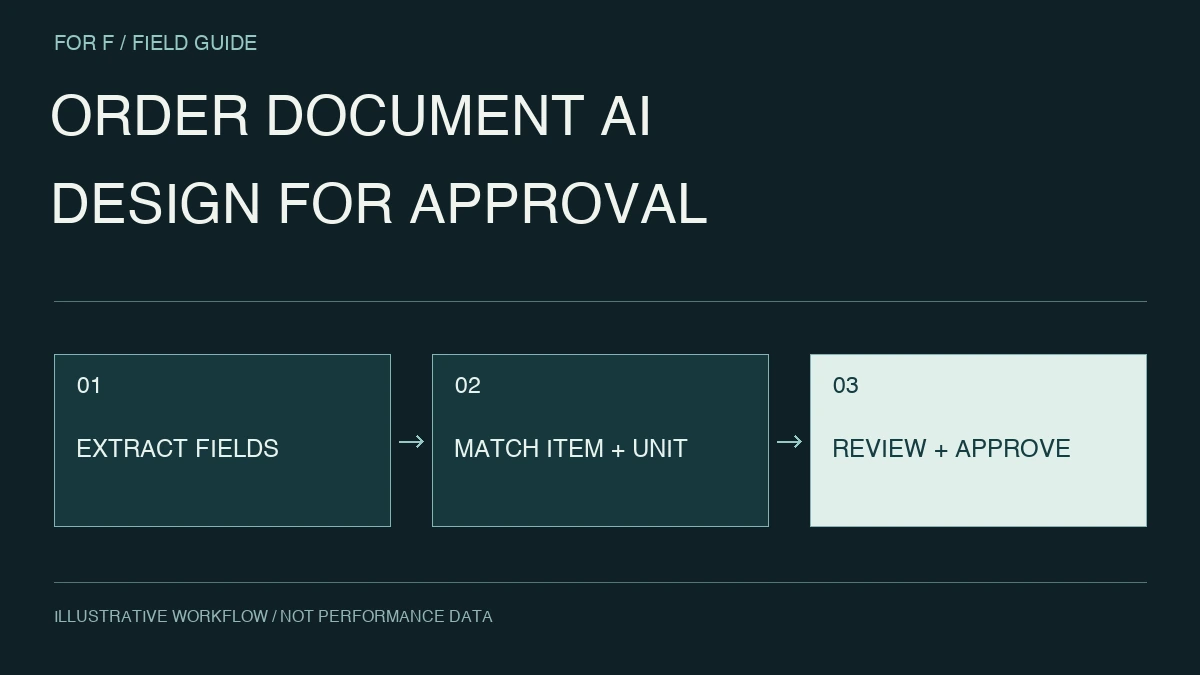
WHOLESALE & TRADING / GUIDE
Commissioning order OCR: decisions beyond recognition accuracy
Wholesale order automation includes product matching, packs, amendments and approval. Define evaluation and integration that reduce entry effort without creating incorrect orders.
Read the guide ↗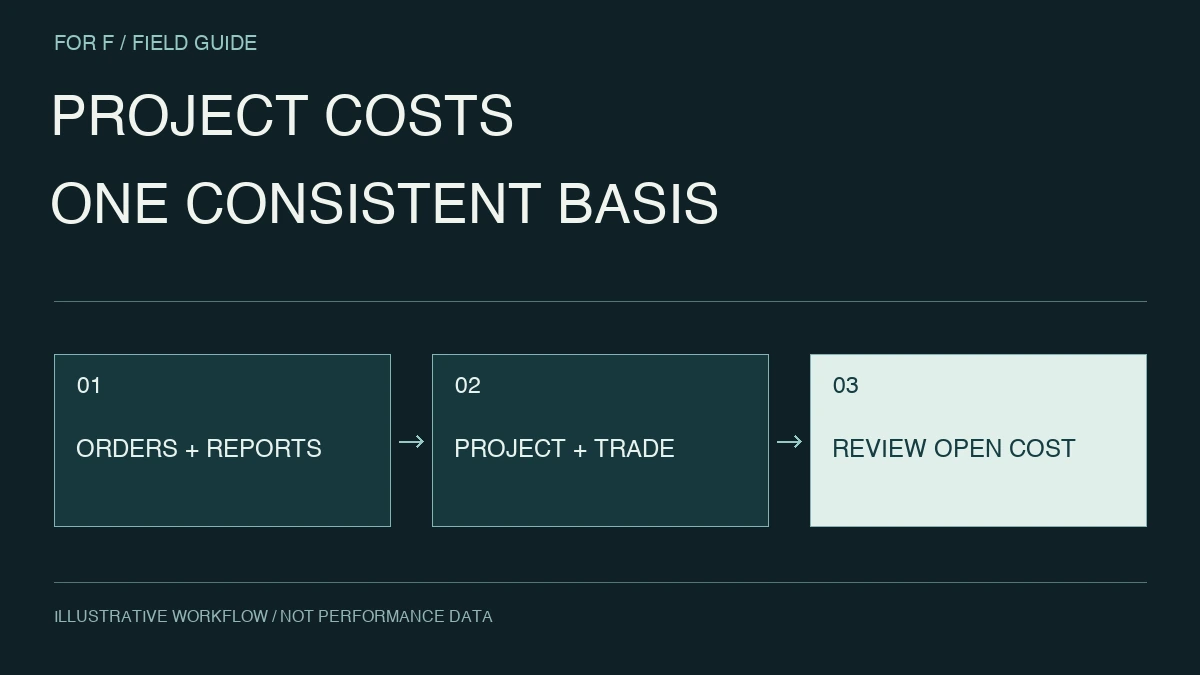
CONSTRUCTION / GUIDE
Avoiding double counting in project cost reporting
Before moving a project register into a dashboard, distinguish commitments, payments, additional scope and budget revisions. Build figures that sites and head office can reconcile.
Read the guide ↗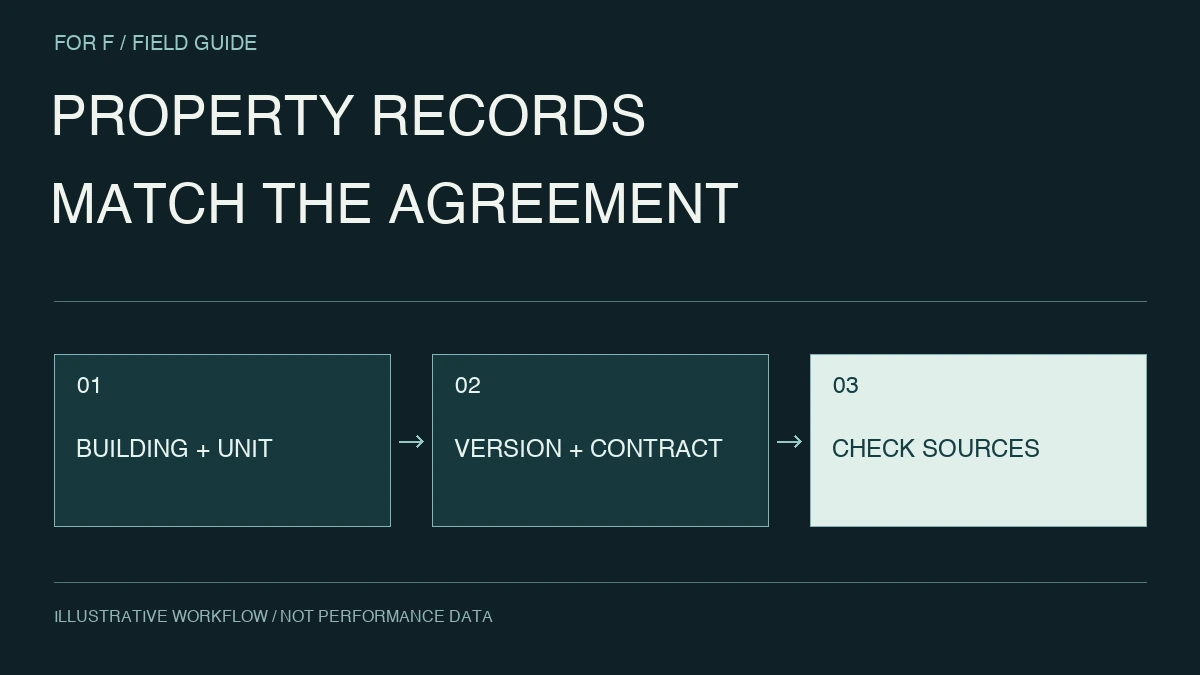
REAL ESTATE / GUIDE
Property document AI: current versions and the right property
Do not link documents by address alone. Define property, unit, contract and effective dates so staff can verify the source behind an AI-assisted answer.
Read the guide ↗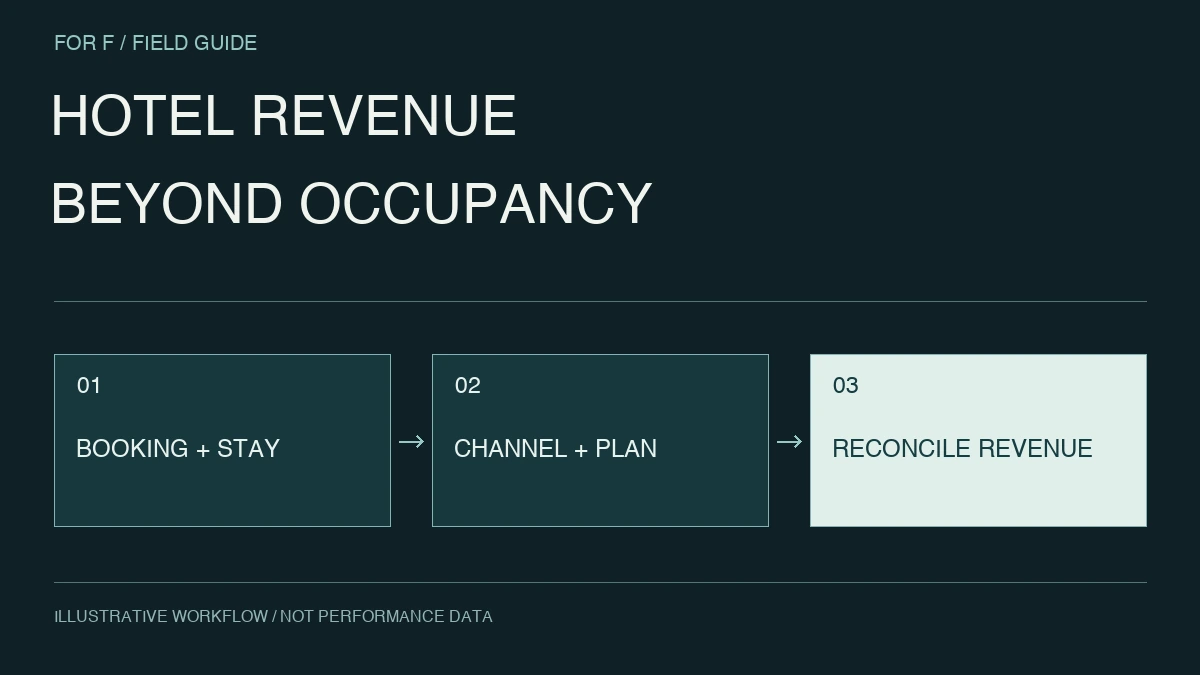
HOSPITALITY / GUIDE
Hotel analytics: define bookings and revenue before occupancy and ADR
Separate booking, stay and cancellation dates and distinguish room revenue from package prices. Build operational metrics that property teams can actually use.
Read the guide ↗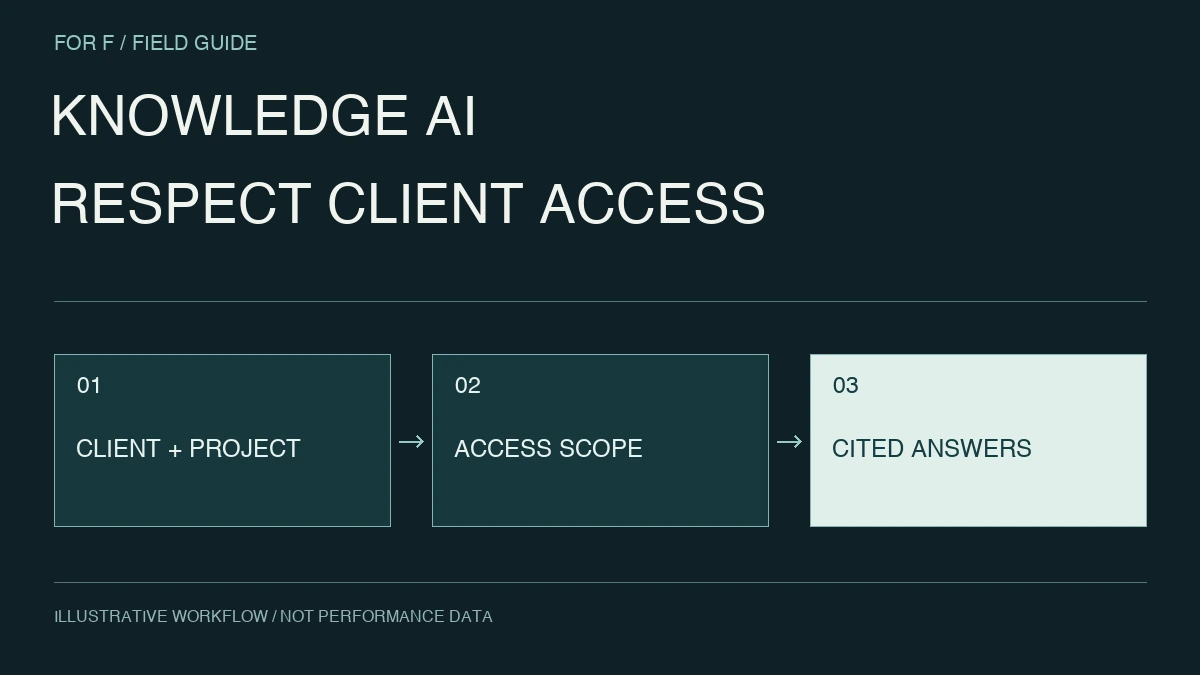
PROFESSIONAL SERVICES / GUIDE
Building client-scoped knowledge AI for proposals and delivery
Before using past proposals and operating documents, distinguish client-specific information from reusable knowledge. Scope permissions, source-backed drafts and human review.
Read the guide ↗
Document AI / OCR / Workflow automation
How much document processing should AI handle? Designing OCR, extraction and human review
How should AI-assisted document entry separate reading, field extraction, validation and approval? This guide explains confidence scores, human review of exceptions and how to define a project scope.

Generative AI / RAG / Enterprise documents
What can RAG do with enterprise documents? Content, permissions and updates to define first
For companies considering AI over internal policies and manuals: an introduction to RAG, document selection, access permissions, updates and handling questions without answers, organized as procurement considerations.
Snowflake / Data platforms / Operational improvement
Reviewing Snowflake costs: suspension settings, usage and monitoring coverage
How should you review warehouse suspension, workload usage and resource monitor coverage when managing Snowflake costs? A guide to commissioning an assessment that considers performance and business impact.

Data analytics / BI / Data quality
Before commissioning analytics: preparing data for BI
Define metrics, missing values, duplicates, refresh needs and ownership before commissioning BI or analytics, and turn that review into a clear data preparation scope.

Generative AI / PoC / Commissioning guide
Five decision criteria before taking a generative AI PoC into production
Assess answer quality, business value, information handling, cost and speed, and operations before deciding whether to take an AI PoC into production.

Web systems
E-commerce development with GCP and AI: building for business growth
Explore e-commerce architecture, the buying journey and GCP-based development, from initial validation through implementation and operations.
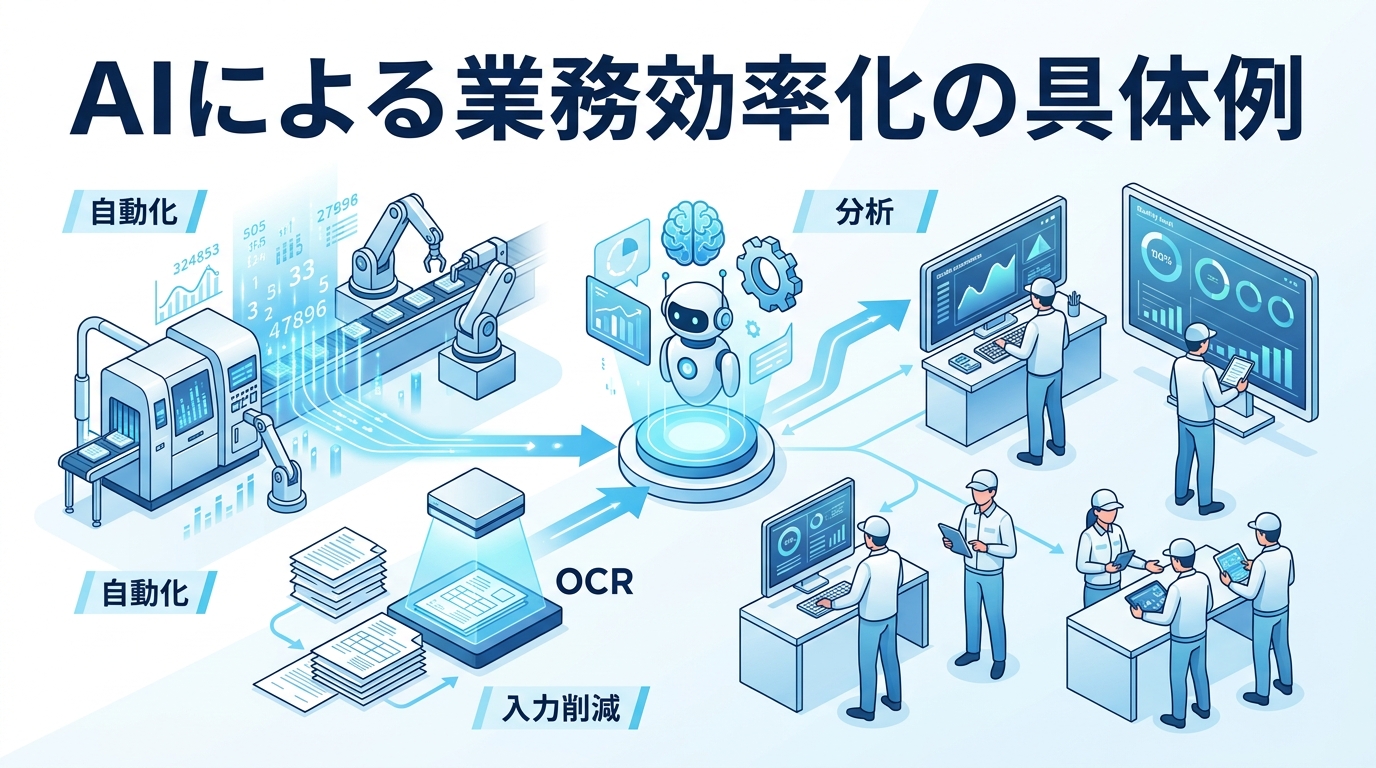
Manufacturing / Web
Digital transformation in manufacturing: operational efficiency with GCP and AI
A practical view of GCP and AI for manufacturing workflows, including data entry, customer analysis, inquiry handling and stable operations, with a PoC as a possible starting point.

Web systems
Operational efficiency and analytics: digital system development with GCP
Explore GCP-based systems for operational automation and shared knowledge, together with data foundations using technologies such as Snowflake and Bigtable to support decisions and continuous improvement.

News
Credit card payments
Notice of changes to credit card payment operations

News
Office relocation: our new base in Kanda, Chiyoda
For f's move to Kanda, Chiyoda marks a new step in supporting operational efficiency, existing-system improvement and new product development through digital and AI capabilities.

News
Organizational structure update
An update on our three-department structure: Business Administration, Production and Development, and Corporate Sales, supporting work from systems and AI development to sales assistance.

Web systems
System development costs: planning a project from around JPY 1.8 million
Costs depend on scale and requirements. This article discusses PoC-led development, including cases starting around JPY 1.8 million, and a flexible GCP-based approach to validation and implementation.
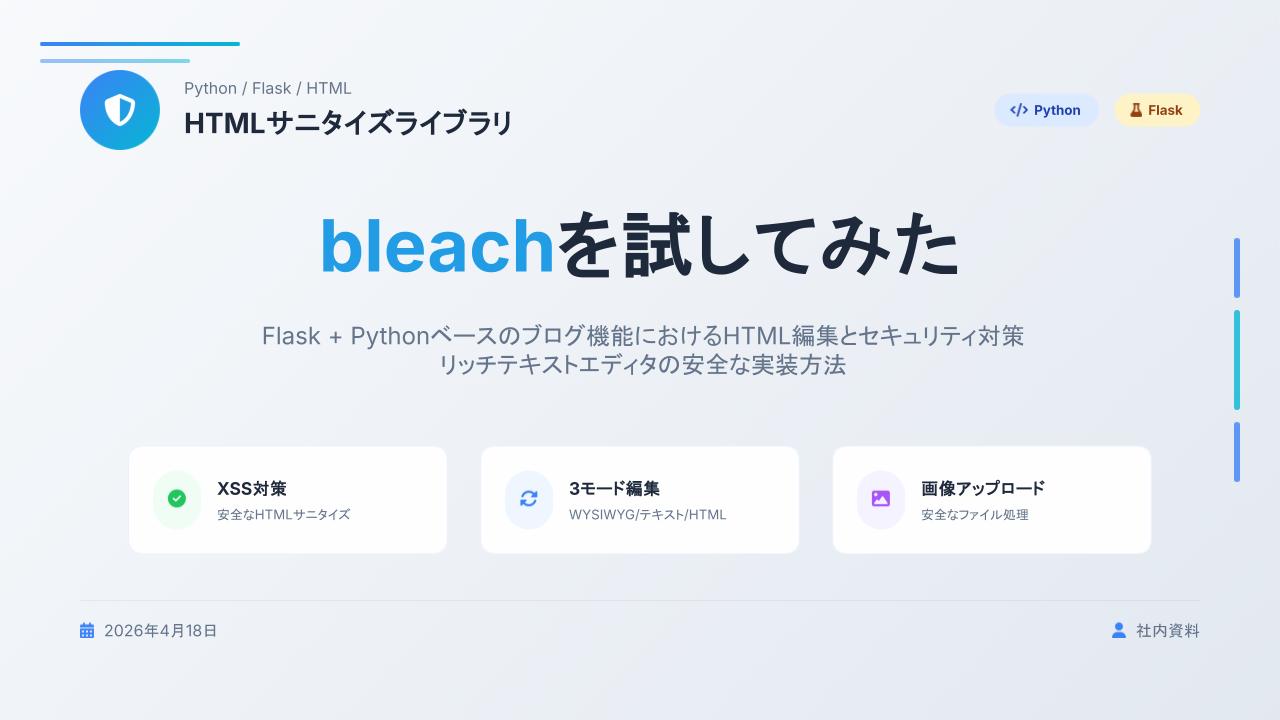
News
CMS development and SEO with GCP, Python and bleach
Explore a flexible CMS built with GCP and Python Flask, with attention to easier publishing, operational efficiency and search optimization.

Technology
Strengthening GCP development: technology for operational improvement
An introduction to For f's GCP development approach, from technical design through optimization, for scalable operational systems.

Web design
A landing page for a teeth-whitening salon
For f worked with PP connect Inc. on a teeth-whitening salon landing page, covering concept, structure and design to communicate the service and brand clearly.
FROM READING TO ACTION
Discuss what this means for your business.
If a topic reflects your challenge, tell us about your workflow and current situation. We can help clarify data, systems and the next step.
Discuss your business challenge ↗