

Explore GCP-based systems for operational automation and shared knowledge, together with data foundations using technologies such as Snowflake and Bigtable to support decisions and continuous improvement.
Operational systems and analytics: digital transformation with Google Cloud
Digital transformation increasingly calls for more efficient operations and better use of data. Yet many teams still depend on individual knowledge and manual processes, leaving useful data underused.
This article explains operational system development with Google Cloud and analytics using platforms such as Snowflake and Bigtable.
Why operational systems matter now
The limits of fragmented, person-dependent work
Excel, email and paper-based processes can fragment information and duplicate work, increasing errors and effort and reducing productivity.
Data exists, but is not being used
Companies accumulate customer and sales data, yet often lack the cross-functional analytics infrastructure needed to use it in decisions.
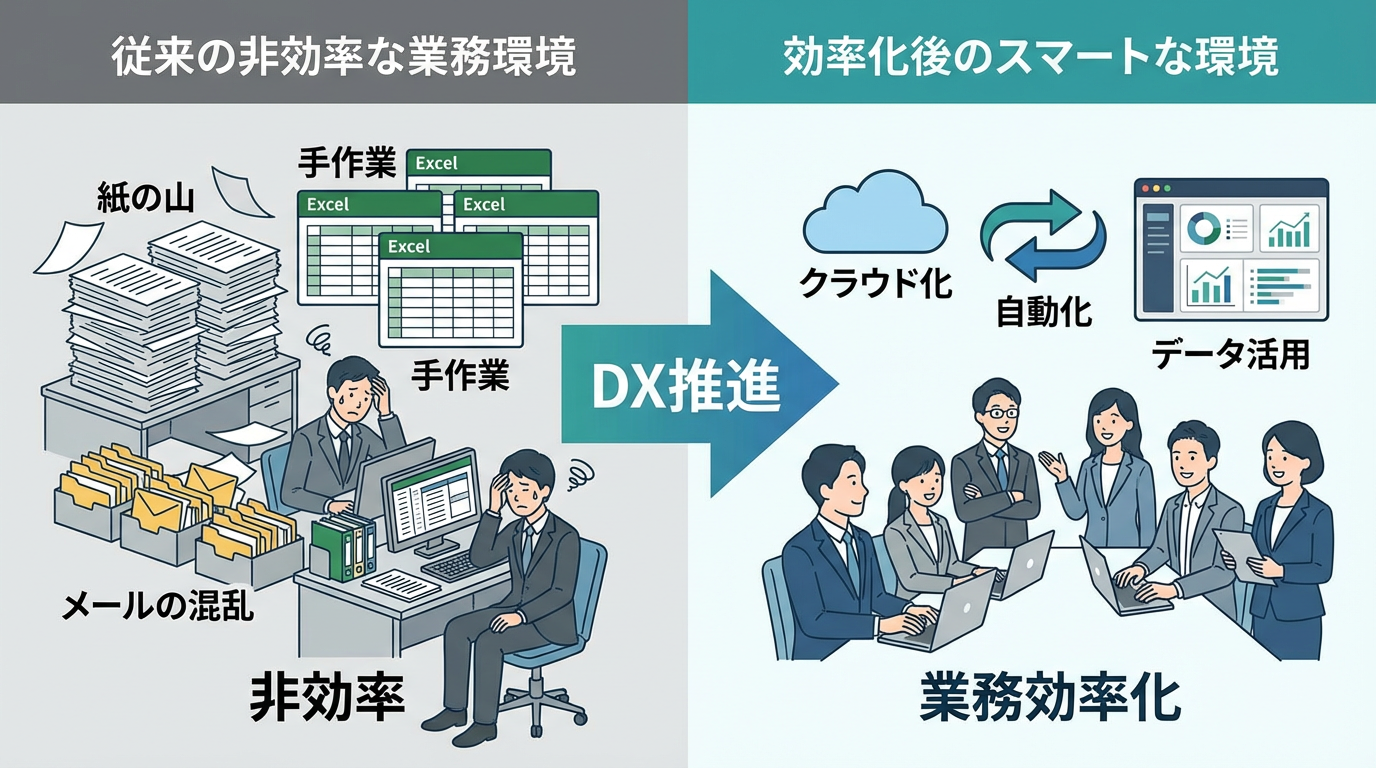
Operational system development with Google Cloud
Scalable, flexible infrastructure
Google Cloud provides infrastructure that can expand with demand, supporting an initial scope with room for future growth.
Rapid development with Python and Flask
Python and Flask support lightweight, flexible backends customized to workflows and requirements that existing tools may not address.
Examples of operational improvements include:
- Centralized customer and project management
- Automated emails and notifications
- Automated data entry through scraping and APIs
- Dashboard visualization
Analytics foundations: Snowflake and Bigtable
Building a data warehouse with Snowflake
Snowflake is a cloud data warehouse for processing and analyzing large datasets. Its characteristics include:
- Independent storage and compute scaling
- An accessible SQL-based analytics environment
- Integration with BI tools such as Looker Studio
This supports sales, customer and marketing analysis for business decisions.
Large-scale data processing with Bigtable
Google Cloud Bigtable is a distributed NoSQL database suited to handling large volumes of data in real time.
Common uses include:
- IoT data storage
- Access log analysis
- Real-time rankings
These workloads require high-performance reads and writes.
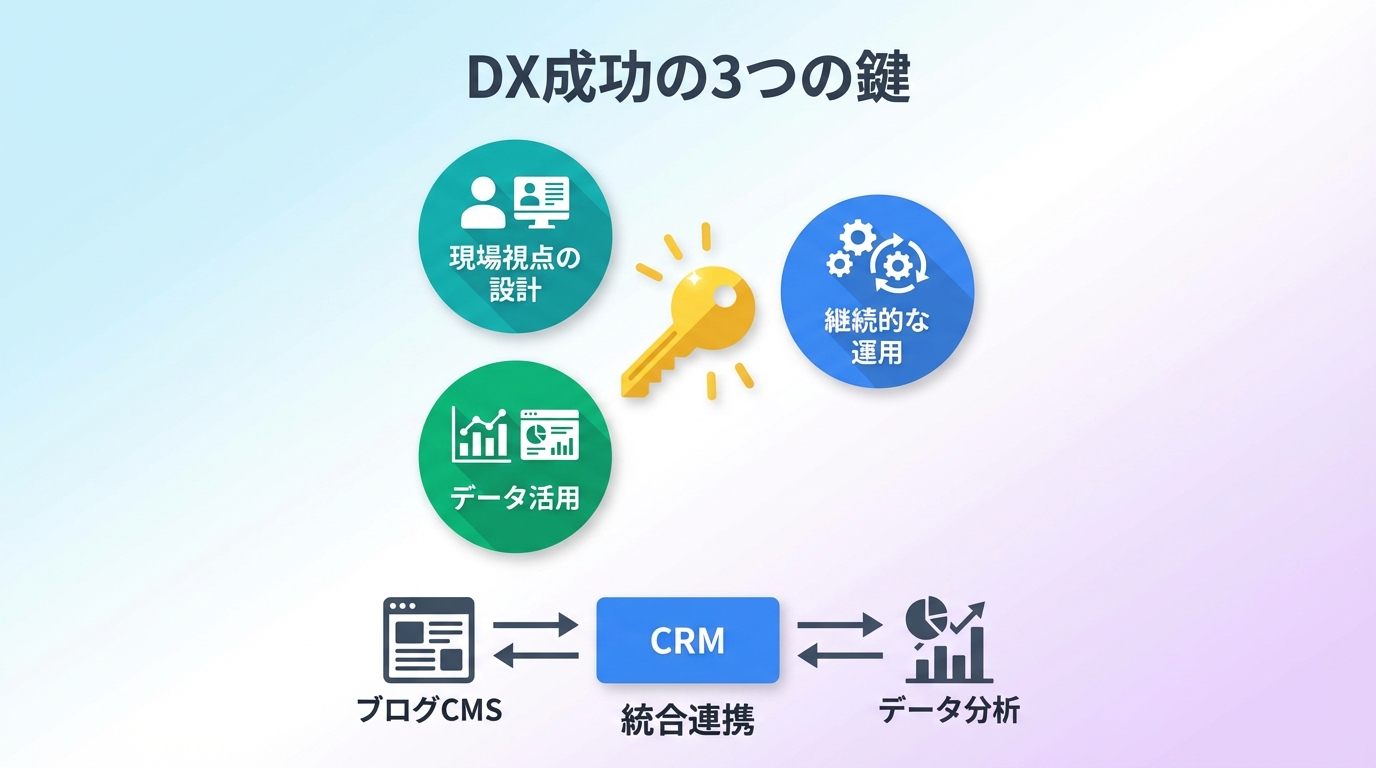
Connect content management and business systems
Connecting a CMS with business systems can extend operational improvements.
For example:
- Blog publishing → search traffic → customer data
- Inquiries → automatic CRM integration
- Analytics → marketing actions
These connections can bring customer acquisition and operational improvements together.
Security and usability
CMS and business systems process user input, so security measures are essential. HTML input requires sanitization to address cross-site scripting risks.
Libraries such as Python's bleach can restrict allowed HTML tags and reduce risk, supporting flexible editing within a controlled design.
Successful transformation starts with design and operational context
Introducing a system alone is not enough. Consider:
- Does it fit actual workflows?
- Can people continue using it over time?
- Is the data ready for use?
These perspectives matter.
Designing and developing around them supports transformation that teams actually use.
Discuss operational systems and analytics
We build Google Cloud-based operational systems and analytics platforms.
- We want to automate work
- We want to use data but do not know where to start
- We are considering Snowflake or Bigtable
- We want to connect our CMS and business systems
If these challenges sound familiar, talk to us. We support requirements, design, development and operations.
Updated September 7, 2026 | Choose a data platform around its use
Understand the roles of BigQuery, Snowflake and Bigtable
Before choosing a product, define who reads and writes the data, why and how. Analytical aggregation and high-volume application reads and writes have different requirements.
- BigQuery:Google Cloud's managed analytics platform supports SQL-based data analysis.Official BigQuery overview
- Snowflake:Review the intended storage and analytics use, and distinguish compute, storage, transfer and other cost components.Snowflake: official explanation of cost components
- Bigtable:A database suited to low-latency, high-throughput access to large volumes of keyed data. Assess access patterns rather than using the same criteria as an analytical warehouse.Official Bigtable overview
Early decisions that can reduce rework
- Metric definitions:Conditions for aggregating revenue, customers, opportunities and other measures.
- Data granularity:Whether consistent IDs identify customers, products and stores.
- Update frequency:Whether daily updates suffice or changes are needed during operations.
- Access permissions:Who may see which data.
- Cost and ownership:Budget and responsibility for ongoing usage and maintenance as well as initial development.
Start with one screen that supports a decision
Rather than collecting data for its own sake, validate one dashboard for one decision. Check numerical correctness, readability and use in actual meetings or workflows, then expand. Assign contacts for missing data and failed updates.
As a Snowflake partner, For f supportsAI and data analyticsandbusiness system development. We review your data and intended use, then propose discovery, validation and development scopes.